
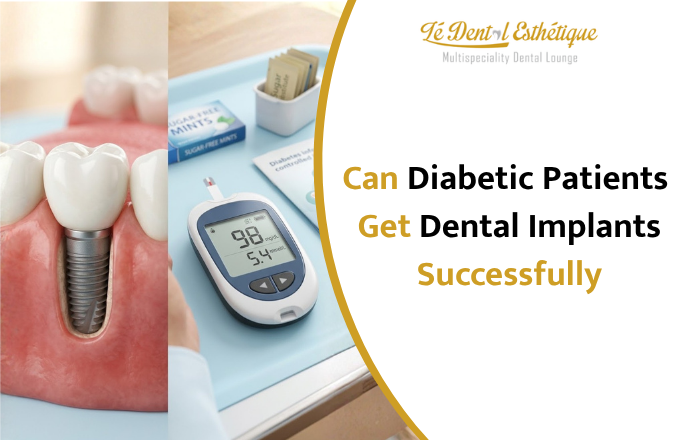
If you have diabetes and missing teeth, you’ve probably asked yourself — “Can I even get dental implants?” The good news is — yes, in most cases, diabetic patients can get dental implants successfully. Diabetes doesn’t automatically close the door on implants. What matters most is how well your blood sugar is controlled and how carefully the procedure is planned.
Let’s walk through everything you need to know — in simple, clear language.
What Are Dental Implants and Why Do Diabetics Worry About Them?
Dental implants are small titanium posts placed into your jawbone to replace missing tooth roots. Once placed, the bone grows around them — a process called osseointegration — and a crown (artificial tooth) is fixed on top. The result looks and feels like a natural tooth.
The concern for diabetic patients getting dental implants comes down to one thing: how diabetes affects the body’s healing process. High blood sugar can slow down wound healing, weaken the immune system, and make it harder for the bone to bond properly with the implant. This is why many people assume implants aren’t an option for them — but that assumption is often wrong.
Can Diabetic Patients Really Get Dental Implants? What the Research Says
Here’s the answer you’ve been looking for: yes, diabetic patients can get dental implants — and thousands do every year with great results.
Studies show that dental implant success rates in well-controlled diabetic patients are around 85–90%, compared to approximately 95% in non-diabetic patients. That gap is smaller than most people expect — and it closes further when blood sugar is managed well.
The single biggest factor isn’t the diabetes itself — it’s whether the diabetes is controlled or uncontrolled.
• Controlled diabetes (HbA1c below 7–8%): Good candidate for implants with proper planning
• Uncontrolled diabetes (HbA1c above 9%): Implants may need to be delayed until blood sugar is stabilised
Both Type 1 and Type 2 diabetics can be candidates for dental implants. Your dentist will look at your full medical picture before moving forward.
5 Key Factors That Decide Implant Success for Diabetic Patients
If you have diabetes and are considering dental implants, these five factors make the biggest difference:
1. Blood Sugar Control (HbA1c Levels)
This is the most important factor. Before any implant procedure, your dentist will want to know your HbA1c reading. A level below 7–8% is generally considered safe for surgery. If your levels are higher, getting them under control first is the smartest step you can take.
2. Gum Health
Diabetics are already more prone to gum disease. Healthy gums are essential for implants to succeed. Any existing gum infection must be treated before placing an implant.
3. Choosing the Right Dental Team
Not all dental clinics are equally experienced in treating patients with medical conditions. It’s important to work with a dental team that understands how diabetes affects oral health and healing.
4. Pre- and Post-Op Care
Following instructions before and after surgery closely — including taking prescribed medications, eating correctly, and attending follow-up visits — significantly improves outcomes for diabetic patients with dental implants.
5. Lifestyle Habits
Smoking, poor diet, and high stress all negatively affect healing. Quitting smoking before your procedure and maintaining a balanced diet can meaningfully improve your implant success rate.
What Risks Should Diabetic Patients Know About?
Being informed is important — but so is keeping things in perspective. Here are the real risks, along with what can be done about them:
• Slower Healing: Diabetes can slow tissue repair. Your dentist may extend the healing timeline and schedule extra check-ups to monitor progress — this is normal and manageable.
• Higher Infection Risk: Diabetics have a slightly higher chance of developing peri-implantitis (infection around the implant). Good oral hygiene and regular cleanings dramatically reduce this risk.
• Longer Osseointegration: Bone bonding may take a little longer. Your dentist will account for this in your treatment timeline.
Every one of these risks can be managed with the right planning. The goal is always a safe, successful outcome.
How to Prepare for Dental Implants When You Have Diabetes
Getting ready for dental implants as a diabetic patient involves a few important steps:
• Get your HbA1c tested and work with your physician to bring levels into a safe range before surgery
• Treat any existing gum disease first — your gums must be healthy before implants can be placed
• Share your full medication list with your dentist, including insulin and any other drugs
• Plan your meals carefully on the day of surgery — never skip meals, as blood sugar stability matters greatly
• Attend every follow-up — post-op monitoring is especially important for diabetic patients
What to Expect During Recovery
Recovery for diabetic patients after dental implant surgery may take a little longer than average — but it is absolutely achievable. Most patients experience mild swelling and discomfort in the first few days, which is normal.
You’ll be advised to eat soft foods, keep the area clean, and avoid strenuous activity for a short period. Your dental team will guide you through every stage. With good blood sugar control during healing, outcomes are very similar to those seen in non-diabetic patients.
Long-term, well-controlled diabetic patients can expect implants to last 15 years or more — just like anyone else.
FAQ
Q1. Can Type 2 diabetics get dental implants?
Yes. With controlled blood sugar and healthy gums, Type 2 diabetics are suitable candidates for dental implants.
Q2. What HbA1c level is needed for dental implants?
Most dentists prefer an HbA1c of 7% or below, though up to 8% is often acceptable with careful planning.
Q3. Does diabetes affect how long implants last?
With good glucose control and oral hygiene, dental implants in diabetic patients can last just as long — often 15–20 years.
Q4. Is the healing process much longer?
Slightly, in some cases. Your dentist will factor this into your timeline and schedule closer follow-ups.
Q5.Is it safe to go under anaesthesia with diabetes?
Yes, with proper blood sugar management on the day of surgery and coordination between your dentist and physician.
Ready to Find Out If You’re a Candidate?
At Lé Dental Esthétique, led by Dr. Charvee Devjee, we make dental care comfortable and easy to navigate — even when your health picture is complex. As a trusted dental clinic in Yerawada, Pune, we take the time to understand your medical background and work alongside your physician to plan your treatment safely.
Diabetes doesn’t have to mean missing teeth forever. Book your consultation today and take the first step toward a smile you’re proud of.
Contact Lé Dental Esthétique — your trusted dental clinic in Pune.