
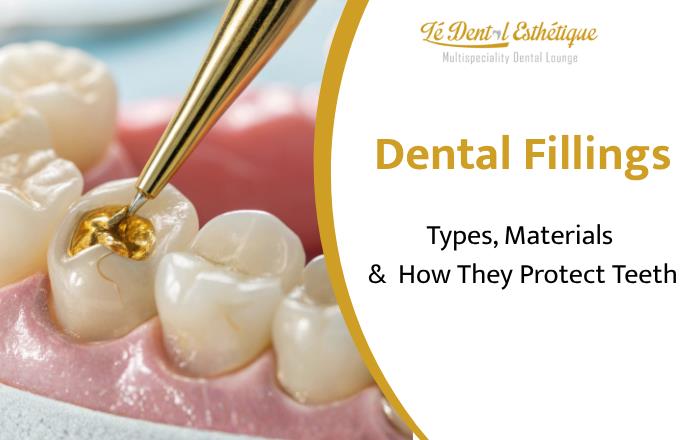
When a tooth is affected by decay, cavities, or minor damage, dental fillings play a crucial role in restoring its strength and function. They not only repair the damaged area but also prevent further decay, helping you maintain a healthy and confident smile. If you’ve ever experienced tooth sensitivity or noticed a cavity, your dentist may recommend a Dental Filling Treatment to restore your oral health.
What Are Dental Fillings?
Dental fillings are restorative materials used to fill cavities caused by tooth decay, cracks, or wear. During the procedure, the dentist removes the decayed portion of the tooth and cleans the area before filling it with a suitable material. This helps restore the tooth’s structure, functionality, and appearance while preventing bacteria from re-entering and causing further decay.
Essentially, a filling “seals” the damaged tooth — making it strong, functional, and long-lasting.
Why Are Dental Fillings Necessary?
A cavity left untreated can worsen over time, leading to severe decay, infection, and even tooth loss. Fillings help prevent these issues by:
Stopping the spread of decay.
Strengthening weakened teeth.
Restoring proper chewing and speech functions.
Preventing bacteria from entering the tooth.
Improving the aesthetic appearance of teeth.
Getting a dental filling at the right time can save you from more complex treatments like root canals or crowns later on.
Types of Dental Fillings
Modern dentistry offers various types of fillings, each with its own advantages. The choice depends on factors such as the extent of decay, location of the tooth, and your aesthetic preferences.
1. Composite (Tooth-Colored) Fillings
Composite resin fillings are made from a blend of plastic and fine glass particles. They are customized to match the color of your natural teeth, making them ideal for front teeth or visible areas. These fillings bond well with tooth enamel and are a popular choice for those seeking aesthetic results.
Pros: Natural look, quick bonding, suitable for small to medium cavities.
Cons: May wear down faster than metal fillings in high-pressure areas.
2. Amalgam (Silver) Fillings
Amalgam fillings have been used for decades due to their strength and durability. They are made from a mixture of metals including silver, mercury, tin, and copper. Though not as aesthetically pleasing, they are ideal for molars where chewing pressure is greatest.
Pros: Long-lasting, affordable, highly durable.
Cons: Silver color makes them less suitable for visible teeth.
3. Ceramic Fillings
Ceramic (usually porcelain) fillings are highly resistant to staining and provide excellent aesthetics. They are more durable than composite fillings and can last for many years if maintained well.
Pros: Stain-resistant, natural appearance, strong and durable.
Cons: Slightly more expensive than composite fillings.
4. Glass Ionomer Fillings
These fillings release fluoride, which helps protect the tooth from further decay. They are often used for children or fillings below the gum line.
Pros: Prevents decay, easy to apply, ideal for non-load-bearing areas.
Cons: Less durable and not as aesthetically pleasing as composites.
5. Gold Fillings
Gold fillings are known for their strength and longevity. While they can last more than 15 years, they are more expensive and require multiple dental visits.
Pros: Extremely durable, non-corrosive, biocompatible.
Cons: Costly and noticeable in appearance.
How Dental Fillings Protect Your Teeth
Dental fillings don’t just repair your tooth — they act as a protective barrier. Here’s how they benefit your oral health:
Prevent further decay: By sealing the cavity, fillings keep out bacteria and food particles.
Maintain tooth strength: Fillings restore lost tooth material, helping maintain bite pressure evenly.
Reduce sensitivity: They cover exposed nerves, reducing discomfort from hot or cold foods.
Enhance aesthetics: Modern fillings match the natural color of your teeth, improving your smile.
Preserve natural teeth: By treating decay early, you avoid extractions or advanced dental treatments.
What to Expect During a Dental Filling Procedure
A Dental Filling Treatment is a quick and comfortable process performed by skilled dentists like Dr. Charvee Devjee at Le Dental Esthetique.
Here’s how it typically goes:
Examination & X-ray: The dentist checks the extent of decay.
Anesthesia: The area is numbed for a painless experience.
Decay Removal: The decayed portion of the tooth is gently removed.
Cleaning: The cavity is cleaned to prevent infection.
Filling Placement: The chosen material is applied and shaped.
Polishing: The filling is polished for a smooth, natural finish.
After the procedure, you can resume normal eating within a few hours.
Aftercare Tips for Dental Fillings
Avoid very hard or sticky foods for a few days.
Brush and floss gently around the filled tooth.
Visit your dentist regularly for check-ups.
Inform your dentist if you experience sensitivity or discomfort.
Proper oral hygiene ensures that your fillings last for many years while keeping your smile healthy and strong.
Conclusion
Dental fillings are a simple yet essential treatment to restore tooth health, strength, and beauty. Whether you have a small cavity or need to replace an old filling, timely care can prevent bigger dental problems in the future.
If you’re experiencing tooth pain or sensitivity, it’s time to consult Dr. Charvee Devjee at Le Dental Esthetique for expert Dental Filling Treatment in Yerawada. Restore your smile today — because every tooth deserves care and protection!
FAQs
1. How long do dental fillings last?
Composite fillings last 5–7 years, while gold or ceramic fillings can last over 15 years with good oral care.
2. Is getting a dental filling painful?
No. Local anesthesia ensures a completely painless experience during the procedure.
3. Can cavities come back after getting a filling?
Yes, if oral hygiene is neglected, new decay can form around or under the filling. Regular check-ups help prevent this.
4. Are dental fillings safe?
Yes. Modern materials used in fillings are biocompatible, safe, and approved for dental use.
5. How soon can I eat after a filling?
You can eat after a few hours once the numbness wears off. Soft foods are recommended initially.