
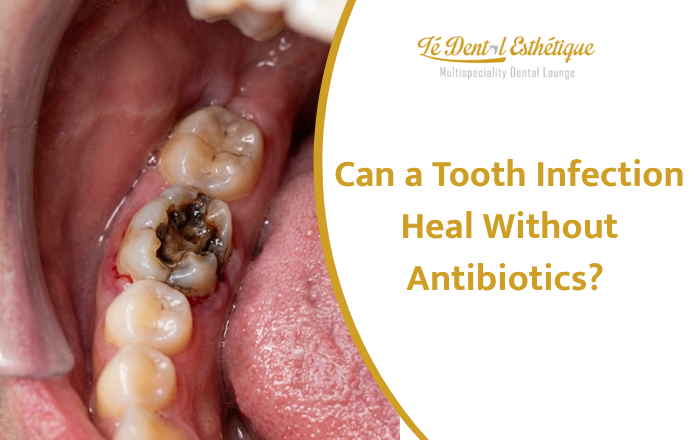
A tooth infection may not require antibiotics in every case. If the infection is localized and the patient does not have signs of spreading infection or systemic illness, the dentist may focus on treating the affected tooth rather than prescribing antibiotics.
For example, depending on the condition of the tooth, treatment may involve:
- Removing infected tissue through root canal treatment
- Draining an abscess when appropriate
- Treating tooth decay or damage
- Removing the tooth if it cannot be saved
This is why simply waiting for the infection to disappear is not usually recommended. Dental infections are caused by bacteria entering areas such as the inner part of the tooth or surrounding tissues. Unless the underlying source is treated, the infection can return or worsen.
Why Aren’t Antibiotics Always Necessary for a Tooth Infection?
Antibiotics work throughout the body to help control certain bacterial infections. They do not repair a decayed tooth, remove infected tissue from inside a tooth, or permanently eliminate the source of a dental infection.
For a localized dental infection, appropriate dental treatment can often address the source directly.
Antibiotics may be considered when there are signs that the infection is spreading beyond the tooth or when a person’s overall health and clinical condition make antibiotic treatment appropriate.
A dentist will consider factors such as symptoms, examination findings, the extent of infection, medical history and whether there are signs of systemic involvement.
What Are the Symptoms of a Tooth Infection?
A dental infection can develop from untreated tooth decay, cracks, trauma, gum disease or other dental problems.
Possible symptoms include:
- Persistent or throbbing toothache
- Pain when biting or chewing
- Sensitivity to hot or cold
- Swelling around the tooth or gums
- Red or tender gums
- A bad taste in the mouth
- Pus or drainage near the tooth
- Swollen lymph nodes in some cases
- Fever or feeling generally unwell
Not everyone experiences the same symptoms. Sometimes an infection can cause relatively little pain, particularly if pressure inside the tooth changes or the nerve becomes damaged.
Can a Tooth Abscess Go Away on Its Own?
A tooth abscess should not be assumed to heal on its own.
An abscess is a collection of pus associated with an infection. It may occasionally drain and temporarily reduce pressure or pain, but this does not necessarily mean the infection has been eliminated.
Even if the pain suddenly improves, the underlying dental problem may still be present. Professional evaluation can determine whether the tooth needs root canal treatment, drainage, extraction or another form of care.
When Should You Consult a Dentist?
If you suspect you have a tooth infection, arranging a dental examination is advisable, particularly if symptoms persist or worsen.
Seek urgent medical or dental attention if you develop signs such as:
- Significant swelling of the face, jaw or mouth
- Difficulty breathing or swallowing
- Fever accompanied by dental swelling
- Rapidly increasing swelling
- Difficulty opening your mouth
- Feeling seriously unwell
These symptoms can indicate that an infection is spreading and may require urgent treatment.
How Is a Tooth Infection Treated?
Treatment depends on the cause, location and severity of the infection and whether the tooth can be preserved.
Root Canal Treatment
If infection has reached the pulp, or inner tissue of the tooth, root canal treatment may be used to remove the infected tissue, clean the root canal system and seal the tooth.
Drainage
When an abscess has formed, a dentist may drain it as part of appropriate treatment. Drainage alone may not resolve the original cause, so the affected tooth may still need further treatment.
Tooth Extraction
If a tooth is severely damaged or cannot be restored, extraction may be considered. The dentist will assess whether saving the tooth is practical before recommending this option.
Antibiotics
Antibiotics are not automatically required for every dental infection. They may be prescribed when there is evidence of spreading infection or systemic involvement, or when the dentist determines that they are clinically appropriate.
Patients should take antibiotics only when prescribed and should follow the dentist or doctor’s instructions.
What Can You Do Until You See a Dentist?
If you have dental pain or possible infection, temporary measures may help you stay more comfortable while arranging professional care.
You can:
- Maintain gentle oral hygiene
- Avoid very hot or cold foods if they trigger pain
- Choose softer foods and chew away from the affected area
- Drink water regularly
- Follow appropriate over-the-counter pain relief advice from a healthcare professional or pharmacist
These measures can help with symptoms, but they do not eliminate the cause of a dental infection.
Frequently Asked Questions
1. Can a tooth infection go away without antibiotics?
Some localized dental infections may be treated without antibiotics. However, a true infection usually requires professional dental treatment to address its underlying source. Antibiotics may be needed when the infection is spreading or causing systemic symptoms.
2. Can I treat a tooth infection at home?
Home measures may temporarily relieve discomfort, but they cannot reliably eliminate the source of a dental infection. A dental examination is recommended when an infection is suspected.
3. What happens if a tooth infection is left untreated?
An untreated infection can persist or spread into nearby tissues. In some cases, it can lead to significant swelling or systemic illness. Early dental assessment can help determine the appropriate treatment.
Persistent Tooth Pain? It’s Time for a Dental Check-Up
So, can a tooth infection heal without antibiotics? In some situations, antibiotics may not be necessary. However, a dental infection should not simply be left untreated and expected to disappear. The underlying cause usually needs to be addressed through appropriate dental treatment.
If you have persistent tooth pain, swelling, sensitivity, pus or other signs of infection, a dental examination can help identify the cause and determine the right treatment. Treatment decisions depend on the individual’s dental condition, medical history and clinical assessment.
If you are experiencing symptoms of a possible tooth infection, Dr. Charvee Devjee at Lè Dental Esthètique Dental Clinic in Yerawada, Pune, can evaluate the dental concern and discuss appropriate treatment options based on the condition of the affected tooth.